In this post, I am going to give you some Teenage Dating Tips to stay safe.
Teenage Dating in high school can feel scary for both parents and teens. The statistics paint a concerning picture: girls now start dating at an average age of 12.5 years old, and boys at 13.5 years old, according to the American Academy of Pediatrics. Even more alarming, research shows that teens who start dating between ages 11-13 have a 90% chance of becoming sexually active by their senior year. With social media adding new layers of complexity, one in four adolescents reports experiencing some form of dating violence each year, including verbal, emotional, physical, or sexual abuse.
The digital age has transformed teenage relationships completely. Teens now spend nearly 5 hours daily on social media, and 41% of teens with the highest social media use rate their overall mental health as poor or very poor. When it comes to relationships, 25% of teen girls say social media hurt their mental health. Meanwhile, 44% of Gen Z men report having no relationship experience during their teen years—double the rate of previous generations.
These numbers might seem frightening for Teenage Dating, but there’s good news. Parents who set clear rules early and maintain open communication can help their teens navigate dating safely. This guide explains five essential principles backed by pediatric experts and family counselors. These rules work especially well for families of faith who want to balance modern life with strong values, but they’re effective for any family seeking to protect their teens while allowing them to grow.
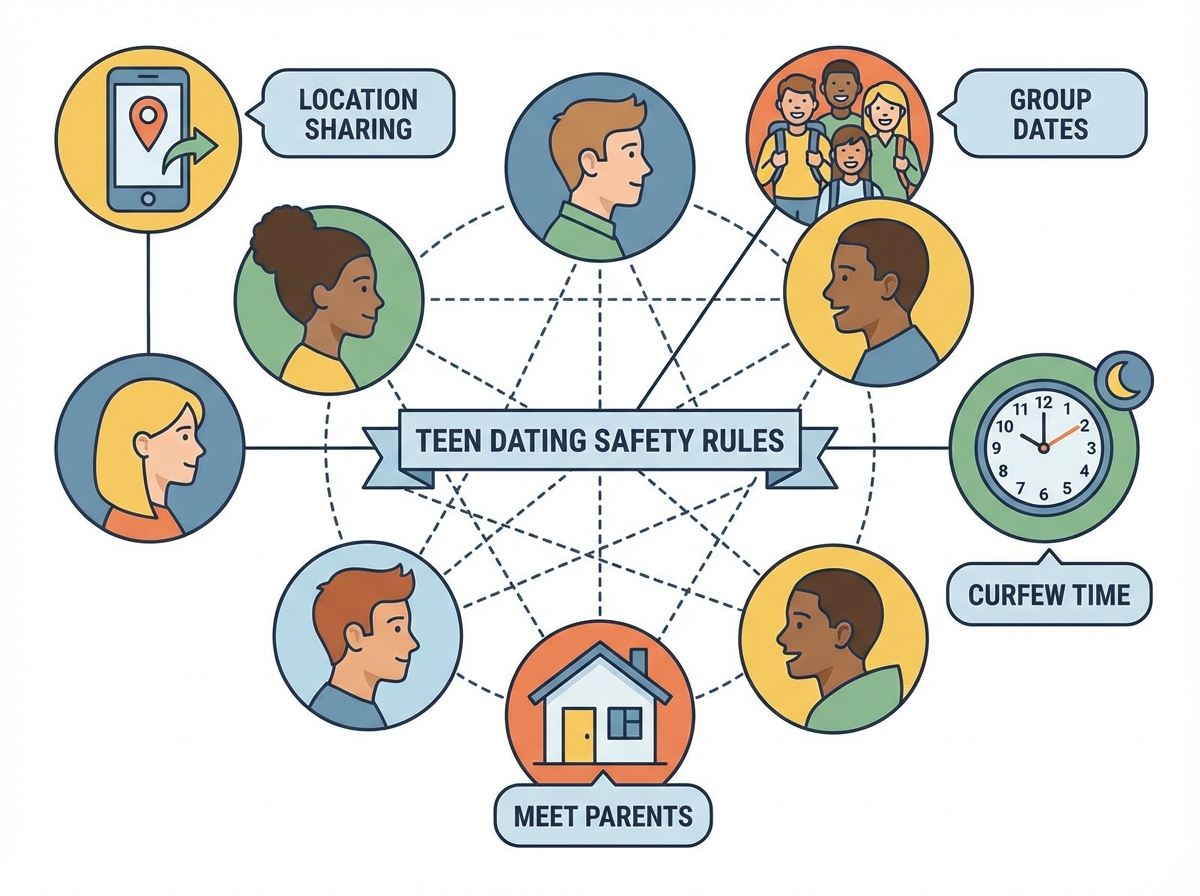
As soon as your teen becomes more social, you need to start having these important discussions. Teen dating is an area of learning for parents. The following guide can be of assistance.
Table of Contents
1. Acknowledge the New Stage
Parenting your growing child is a new experience. Having a clear statement is critical, according to Joani Geltman, author of A Survival Guide to Parenting Teens ($13 on Amazon).
It is an important statement to make because parents must not believe they know everything about raising children. Working through it together is key. The parents must also learn to see their kids differently.”
2. Collaborate to Set the Rules
Unlike many other aspects of parenting, your child’s dating preferences are not entirely within your control.
A grandiose statement like “You won’t be allowed to date until you’re 16” won’t be enforced. Resistance and lies are likely to come your way.
If your child goes out with friends, it is likely you have already negotiated a curfew with them. In the same manner, establish rules (and consequences) for dating activities early on.
Geltman advises parents to let teens discuss rules first, especially with older teens.
You can come to a mutual agreement about expectations and reduce future arguments by asking your child what their expectations are of you as a parent.
“Kids may say it has nothing to do with you,” Geltman says. Make sure they know you respect their privacy in regards to their relationship, but that you do have to agree on the responsibilities and that is your business.”
3. Just Keep Talking
Regularly check in with your teen. An end-to-end conversation is not possible here for Teenage Dating. Let them know they can approach you if they have any concerns or questions.
Geltman says, “Instead of making a judgment about their choices, you are opening a conversation in order to guide them.”
You have the influence to help them understand things they aren’t discussing with anyone else.” Tell them that they have other options available, such as the pediatrician or family doctor, if they’re uncomfortable speaking with you. If you’re talking about dating, use gender-neutral language.
4. Address Social Media Usage

When you were in high school, you probably talked on the phone with a boyfriend or girlfriend for hours on end. Now that COVID-19 is in effect, you will now have to monitor technology use.
While technology can be a valuable tool, it can also be used to make poor decisions. Media access is unprecedented in this generation. Geltman says monitoring their online activity protects them emotionally.
If your teen uses social media and dating apps inappropriately, you should warn him or her of the consequences.
Tell them that even if photos or messages are supposed to disappear after viewing, someone could easily take a screenshot and spread them.
Understand the laws surrounding online dating and online relationships, as the practice can lead to the perception of intimacy that is not real.
The act of giving or receiving suggestions may result in legal repercussions. Teach them that it’s not appropriate to share intimate information online or on Snapchat or Insta.
5. Always Meet and Greet
If you’ve allowed your child to see other people outside the house during the pandemic, try to find comfortable ways to meet the person dating your child.
Your teen should come in and talk with you before leaving about their plans before leaving.
Even if you know them well, have them put on a mask before talking to you. You will become more acquainted with the teen your child is hanging out with, and it will demonstrate your concern for him or her.

6. Consider Age and Encourage Group Dates
Although dating another child their own age is not a fail-safe approach, it can help your child stay away from risky situations.
In the United States, Among girls aged 13-15, the first sexual experience they typically have is with an older and more experienced male partner.
First sexual encounters with girls under the age of a year are very common for teenage boys. Discuss this with your teen.
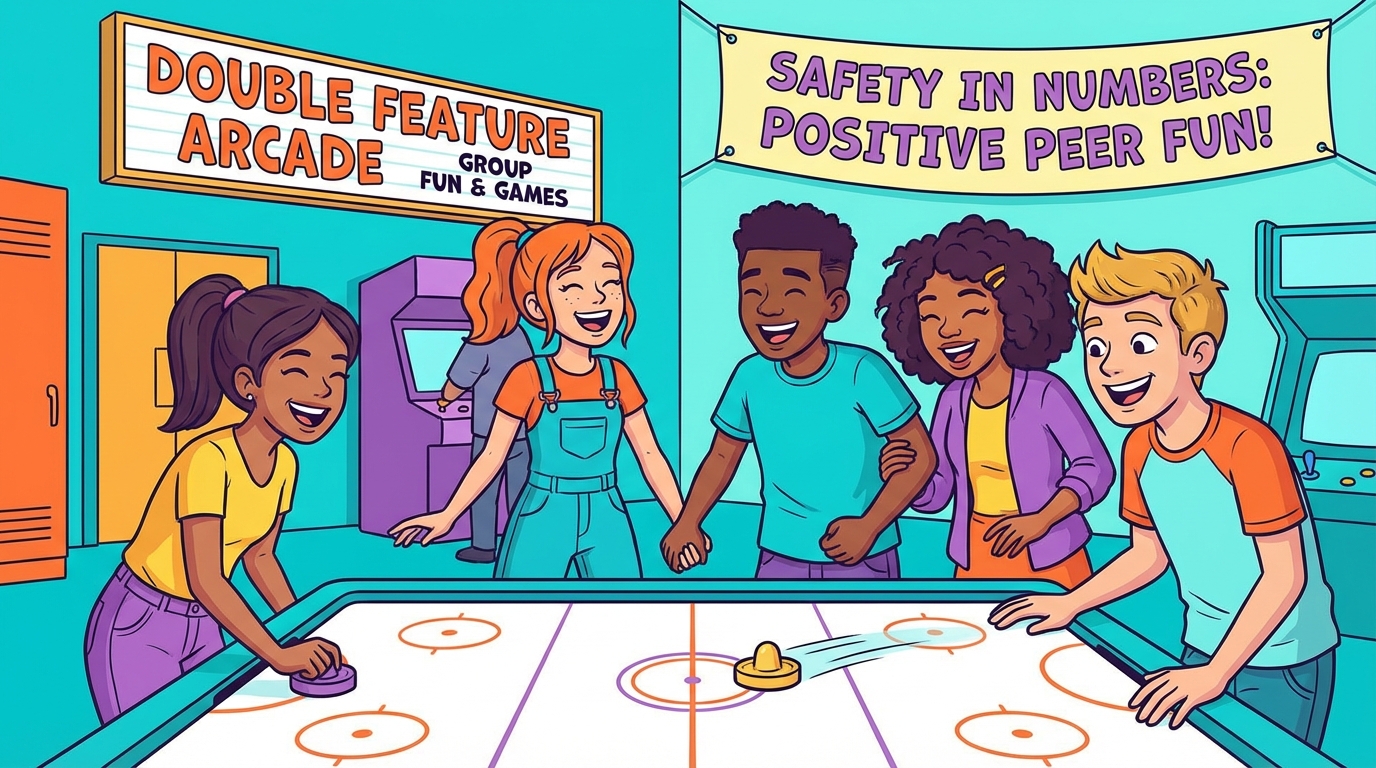
It may also be a good idea to suggest group dates to your teen. When two people go on a date together, not only can it be double the fun, but a friend can offer support and help in difficult and uncomfortable situations.
7. Talk About Consent
It is important that you discuss this topic when you are in an uncomfortable situation.
In these conversations about birds and bees, Geltman explains, “there is more on the subject of boundaries now than birds and bees.” This kind of topic will not be discussed with their friends, so all consent messages need to come from their parents.”
Never assume that your teen knows what their partner thinks, and teach them to take responsibility for what they do. A person should always ask when unsure.
Educate them on the importance of setting boundaries and acknowledging the boundaries of others.
You should talk with them about what healthy relationships are like and make them aware that verbally attacking, physically attacking, or isolating yourself from other friends and family members can be signs of a dysfunctional relationship. It is necessary that they seek help if they discover that this is happening to them.
8. Privacy is Essential in Teenage Dating
Consider the situation, your parenting values, and your teen’s maturity level. This will help you determine the amount of chaperone time your teen will need.
A hands-on policy may be helpful, but teens need the ability to become more independent and have the freedom to decide for themselves
You should at least give your teenager some privacy. Be careful not to eavesdrop on phone conversations or read every social media message. Whenever possible, stay informed about what is going, especially if anything concerns you.
Social media is a great way to keep track of your child’s public posts. If you really want to supervise what your child is doing, you need to trust your instincts.
Another good strategy is to allow your child to invite their friends and dates to your home so you can learn more about the dynamic of the group or couple.
Additionally, your child is more likely to open up to you if they feel you are not hostile toward their friends or romantic partners. This may also reduce the likelihood of questionable behavior on their part.
Quick Links
Conclusion | Teenage Dating 2026
Further, your teen needs to learn to recognize manipulative language and reject phrases like, “If you were truly my best friend, you’d do whatever I asked you.”
These phrases can lead people to do things they don’t want to do or know aren’t right. If your child is in a bad situation or in an unsafe situation, you should come to their aid.
During this new stage, your parenting style can have a big effect on your child’s future relationships (romantic and otherwise), life choices, and maturity.
Openness and support are key. It’s important that they know you are always there for them if something goes awry.